




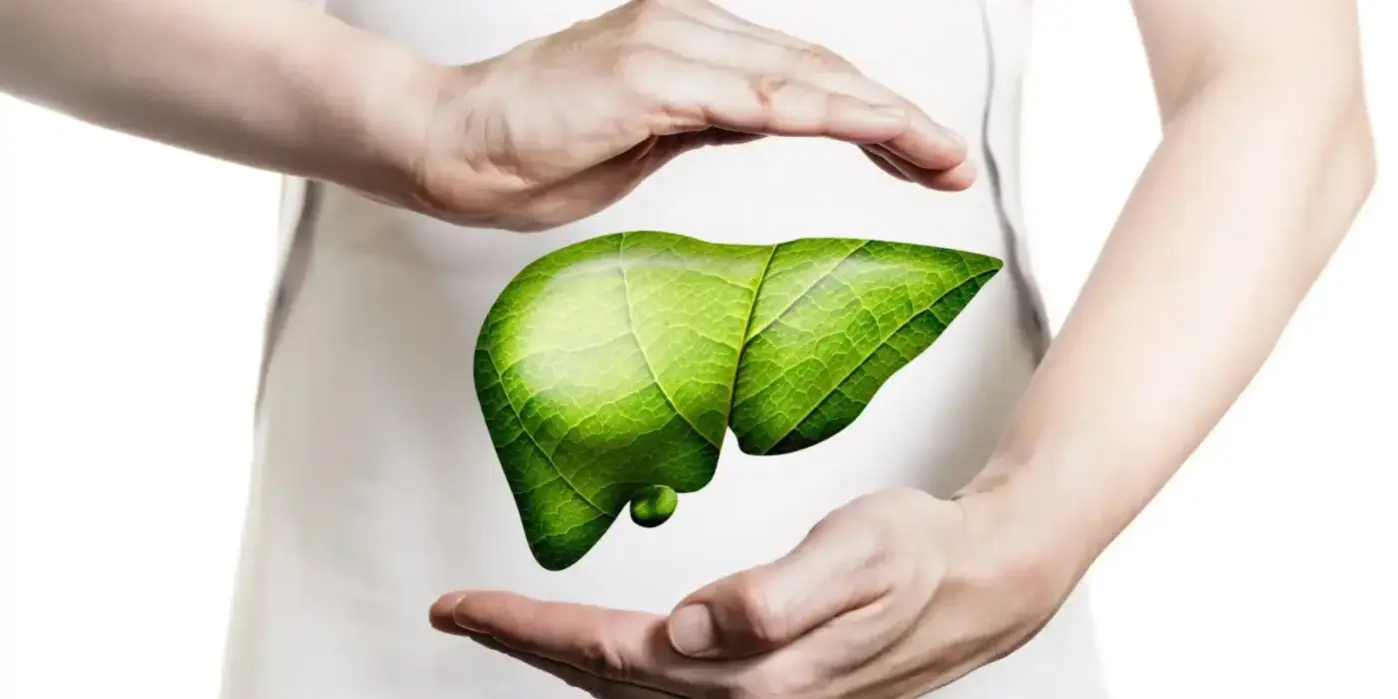
The liver is our most important detoxification organ and is involved in nearly all metabolic processes in the body. In Ayurveda, it is also considered the central organ for transformation and regeneration. It is closely connected with the Pitta dosha, which is responsible for heat, metabolism and the inner digestive fire (Agni). A healthy liver contributes significantly to the detoxification (Detox) and cleansing of the organism. It helps to break down and eliminate metabolic residues (Ama).
Emotionally, the liver also plays an important role in Ayurveda: a balanced Pitta dosha promotes calmness, concentration, and inner stability. However, if the liver becomes imbalanced, an excess of Pitta can arise, which may manifest itself in anger, frustration and irritability.
Why is our liver under more strain than ever today
Modern lifestyle habits are placing increasing strain on the liver. The most common causes include:
- Diets high in sugar and fructose
- Processed and industrially manufactured foods
- Excessive alcohol consumption
- Lack of physical activity
- Irregular sleep patterns
- Chronic stress
- Environmental toxins and medications
No pain, but many symptoms
The liver is the only organ in the body that has no pain receptors. What may sound like good news is actually quite deceptive, because existing problems often do not become obvious through pain signals.
Instead of pain, the body sends a variety of subtle warning signs that may indicate an overburdened liver:
- Chronic fatigue and lack of energy
- Sleep problems and waking up during the night
- Skin issues or itching
- Cravings and sudden hunger attacks
- Feelings of fullness and bloating
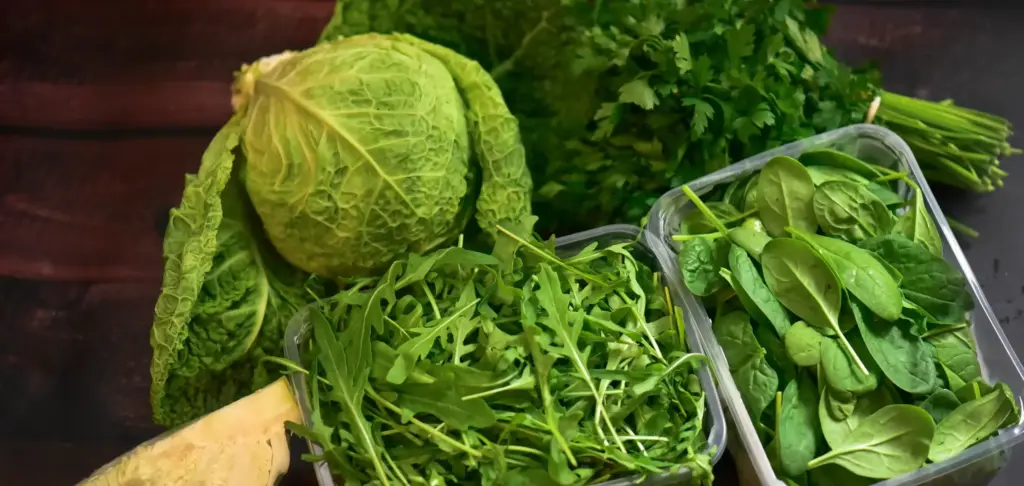
Green and bitter – natural Ayurvedic detox helpers
In Ayurveda, it is said that the liver loves green and bitter foods. Green leafy vegetables and bitter herbs are considered balancing for the Pitta dosha. Their green color comes from the plant compound chlorophyll, which is believed to have a powerful blood-cleansing effect.
Bitter substances support liver function by stimulating bile flow. This helps improve fat digestion and promotes a more efficient processing of nutrients.
Particularly recommended are:
- Chicory
- Artichokes
- Arugula
- Dandelion
- Spinach and other leafy greens
Ayurvedic medicinal plants such as Neem, Turmeric, Kutki, and Bhumyamalaki are also beneficial for the liver. They stimulate bile flow and help protect liver cells.
Amalaki, also known as the Indian gooseberry, is traditionally used in Ayurveda to support liver health. It can be taken on its own or as part of Triphala. Triphala contains Amalaki together with two other berries that additionally help regenerate the intestinal lining.
What does put strain on the liver
To protect the liver, you should avoid overly spicy, sour, and fatty meals. Alcohol consumption, red meat, highly processed foods and excessive sugar and fructose intake are also harmful. Never eat in a rush. Take time for your meals and enjoy them in a calm and relaxed atmosphere.
It is also important not to eat too late or too heavily in the evening, as this can put excessive strain on the liver’s nightly regeneration process. Ideally, the main meal should be eaten around midday. At this time of day, the Pitta dosha is at its peak, which means the digestive fire (Agni) is strongest and supports optimal digestion and metabolism of food.
Reducing stress for a healthy liver
In Ayurveda, lifestyle plays just as important a role in liver detox as nutrition. Chronic stress and negative emotions can place a significant burden on the liver. The following practices are especially recommended:
- Meditation
- Yoga
- Breathing exercises (Pranayama)
- Regular physical activity
People with a dominant Pitta dosha should ideally go to bed around 10 p.m. to support the liver’s natural nighttime regeneration process.
Walks in fresh air – especially in forests or parks (the calming effect of the color green!) — can also help relax the mind and reduce stress on the liver.


